Многостранност в различните приложения и опции за материали
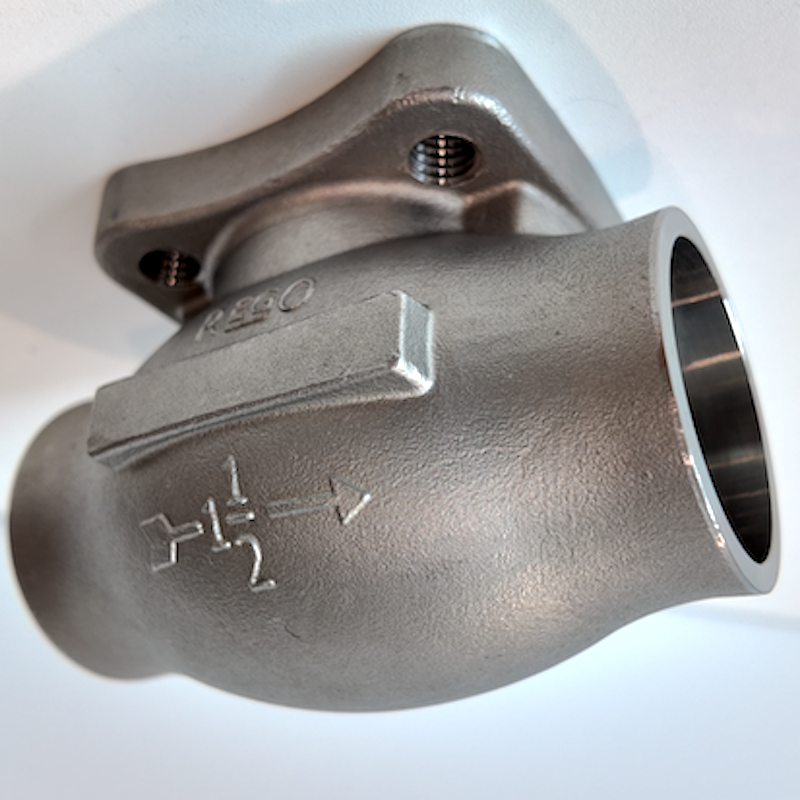
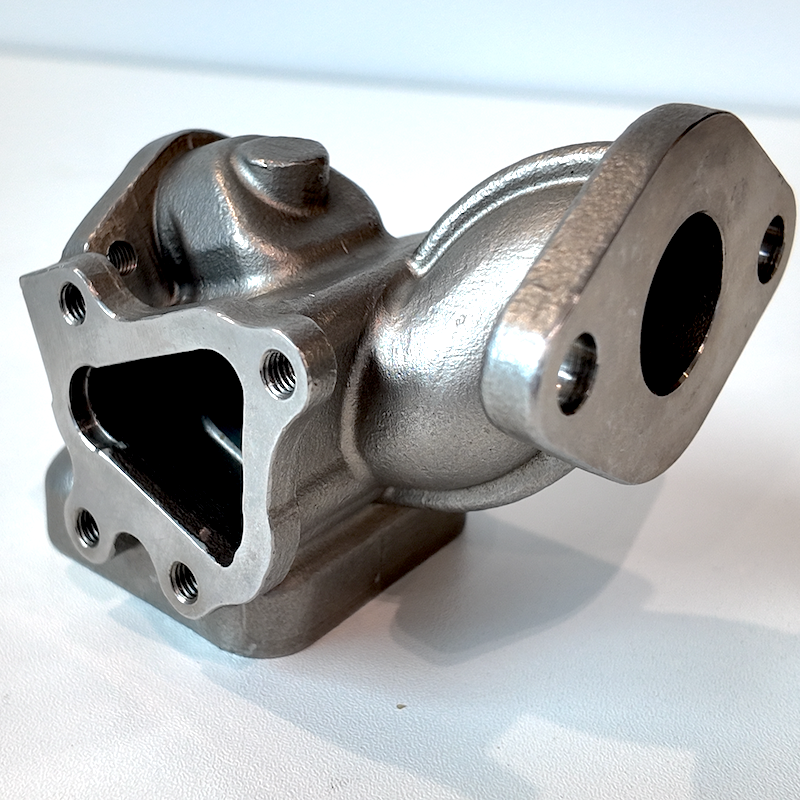
Забележителната универсалност на стоманеното леене за автомобилни части се проявява както в широкия асортимент от компоненти, които могат да бъдат произведени, така и в разнообразието от марки стомана, налични за изпълнение на специфични изисквания към експлоатационните характеристики. От малки прецизни части с тегло под един килограм до масивни конструктивни компоненти с тегло над няколестотин килограма, процесът на леене се адаптира към практически всеки размерови диапазон в автомобилните приложения. Тази мащабируемост означава, че производителите на превозни средства могат да прилагат последователен производствен подход за различни типове компоненти, което опростява отношенията с доставчиците и системите за управление на качеството. Геометричната сложност, постигната чрез стоманено леене за автомобилни части, позволява иновативни конструкции, които оптимизират функционалността, като едновременно намаляват теглото и разхода на материали. Вътрешни канални системи за охлаждане в двигателни компоненти, интегрирани монтажни елементи в конструктивни части и сложни извити повърхности в аеродинамични елементи — всички те се възползват от свободата на проектиране, предлагана от процеса на леене. Инженерите могат да създават кухи секции, подрязани участъци (undercuts) и променлива дебелина на стените, които биха били непрактични или невъзможни при субтрактивните производствени методи, откривайки нови възможности за подобряване на експлоатационните характеристики и намаляване на теглото. Универсалността при избора на материал представлява още едно измерение на адаптивността на стоманеното леене. Стоманите с ниско съдържание на въглерод осигуряват отлична заваряемост и формоваемост за компоненти, които изискват модификация след леенето. Стоманите с умерено съдържание на въглерод осигуряват баланс между якост и ударна вязкост за общи конструктивни приложения. Стоманите с високо съдържание на въглерод предлага превъзходна устойчивост на износване за компоненти, изложени на плъзгащ контакт или абразивни условия. Добавки на сплави като хром, молибден и никел допълнително коригират механичните свойства, корозионната устойчивост и работата при високи температури, за да се съответстват на конкретните изисквания на приложението. Леенето на неръждаема стомана за автомобилни части се използва за специализирани приложения, изискващи изключителна корозионна устойчивост, като например изпускателни колектори, корпуси на турбокомпресори и компоненти, изложени на пътна сол или сурови екологични условия. Процесът на леене приема всички тези различни марки стомана без фундаментални промени в технологията, предоставяйки на производителите гъвкавост при оптимизиране на избора на материал за всеки отделен компонент. Опциите за термична обработка допълнително разширяват границите на експлоатационните характеристики на стоманеното леене за автомобилни части. Отжигането отстранява вътрешните напрежения и подобрява обработваемостта. Нормализирането усъвършенства зърнената структура, за да се подобрят механичните свойства. Закаляването и отпускането развиват висока якост, запазвайки достатъчна ударна вязкост. Тези термични обработки след леенето позволяват на един и същ проект на лити компонент да постига различни комбинации от свойства чрез промяна на цикъла на термичната обработка, максимизирайки повторната употреба на конструкцията в различни автомобилни платформи с различни изисквания към експлоатационните характеристики. Съвместимостта с повърхностни обработки представлява още едно предимство от гледна точка на универсалността, тъй като литата стомана приема различни покрития и финишни обработки, включително боядисване, напръскване с прахови боядисващи състави, галванизиране и напреднали повърхностни закаляващи обработки, които удължават експлоатационния живот на компонентите в изискващи приложения.

 EN
EN