Professional Metal Parts Fabrication Services - Custom Precision Manufacturing Solutions

Get a Free Quote

Our representative will contact you soon.
Email
Name
Company Name
Message
0/1000

metal parts fabrication

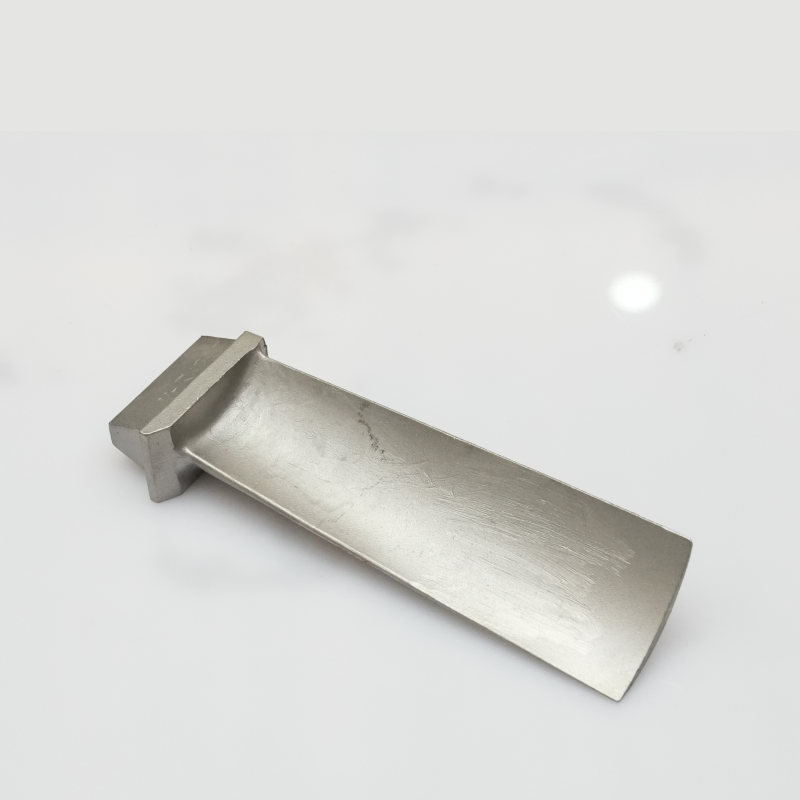
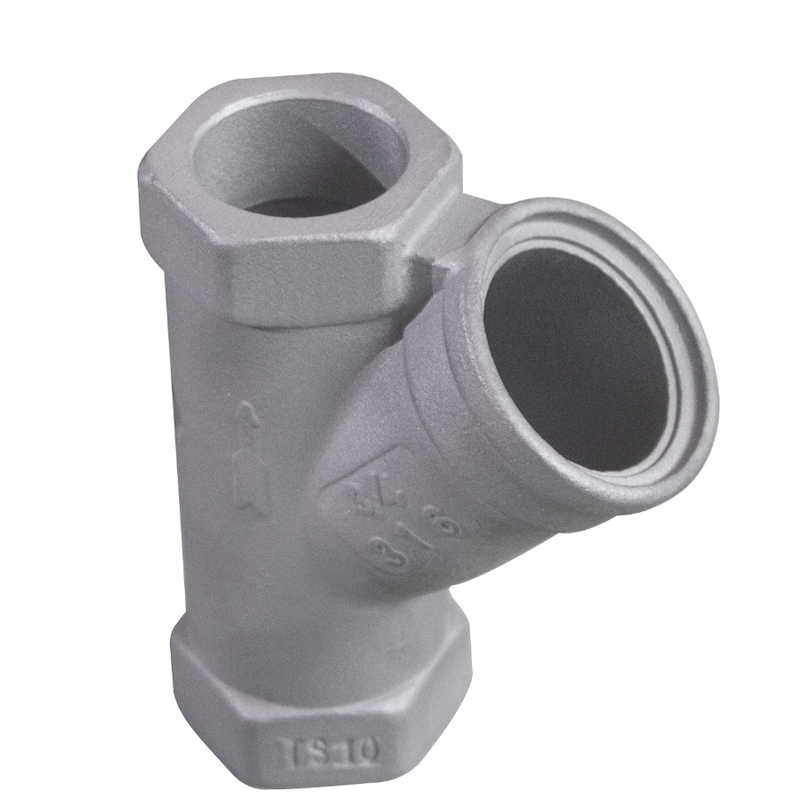
Metal parts fabrication represents a comprehensive manufacturing process that transforms raw metal materials into precise, functional components used across countless industries worldwide. This sophisticated process encompasses multiple techniques including cutting, bending, welding, machining, and assembly to create custom metal products tailored to specific requirements. Metal parts fabrication serves as the backbone of modern manufacturing, enabling businesses to produce everything from small intricate components to large structural elements with exceptional accuracy and consistency. The main functions of metal parts fabrication include shaping metal sheets, plates, bars, and tubes into desired configurations through various methods such as laser cutting, plasma cutting, waterjet cutting, CNC machining, stamping, and forming operations. These processes allow manufacturers to work with diverse materials including steel, aluminum, stainless steel, copper, brass, and titanium, each offering unique properties suitable for different applications. Technological features of contemporary metal parts fabrication involve computer-aided design software, automated machinery, precision measuring instruments, and quality control systems that ensure every component meets exact specifications. Advanced fabrication facilities utilize CNC technology for repeatable accuracy, robotic welding for consistent joint quality, and automated material handling systems for improved efficiency. The applications of metal parts fabrication span numerous sectors including automotive manufacturing, aerospace engineering, construction, medical device production, electronics, agricultural equipment, energy infrastructure, and consumer goods. In automotive applications, fabricated metal parts form chassis components, brackets, exhaust systems, and body panels. Aerospace industries rely on precision metal parts fabrication for aircraft frames, engine components, and landing gear assemblies. Construction projects utilize fabricated structural steel, architectural metalwork, staircases, railings, and building frameworks. Medical device manufacturers depend on metal parts fabrication for surgical instruments, implants, and diagnostic equipment housings. The versatility and reliability of metal parts fabrication make it indispensable for creating durable, high-performance products that meet stringent industry standards and regulatory requirements across all sectors.

New Product Recommendations

Metal parts fabrication offers remarkable cost-effectiveness by allowing businesses to produce custom components without investing in expensive tooling or maintaining large inventories of pre-made parts. This approach reduces upfront expenses and enables companies to order exactly what they need when they need it, minimizing storage costs and capital tied up in unused materials. The flexibility inherent in metal parts fabrication means manufacturers can quickly adapt designs, modify specifications, or create entirely new components in response to changing market demands or product improvements. This agility provides a significant competitive advantage in fast-paced industries where innovation drives success. Businesses gain access to superior quality control throughout the fabrication process, with skilled technicians and advanced inspection equipment ensuring every piece meets precise dimensional tolerances and material specifications. This attention to detail reduces defect rates, minimizes waste, and guarantees consistent performance across production runs. Metal parts fabrication delivers exceptional durability and strength, producing components that withstand harsh operating conditions, heavy loads, extreme temperatures, and corrosive environments. The robust nature of fabricated metal parts translates to longer service life, reduced maintenance requirements, and lower total cost of ownership for end users. Customization capabilities represent another powerful advantage, enabling clients to specify exact dimensions, materials, finishes, and features that perfectly match their unique applications. Whether creating one prototype or thousands of production units, metal parts fabrication accommodates projects of any scale with equal precision and efficiency. The process supports rapid prototyping, allowing engineers to test designs, identify improvements, and refine specifications before committing to full production runs. This iterative approach accelerates product development cycles and reduces the risk of costly design errors. Environmental sustainability benefits emerge through efficient material utilization, with modern fabrication techniques minimizing scrap and enabling recycling of excess metal. Many fabrication shops implement lean manufacturing principles that reduce energy consumption, optimize workflow, and decrease environmental impact. Time savings materialize through streamlined production processes, experienced workforce expertise, and advanced automation that compress lead times from design to delivery. Customers receive finished components faster, enabling quicker time-to-market for new products and timely fulfillment of urgent orders. The technical expertise available through professional metal parts fabrication services provides valuable engineering support, helping clients optimize designs for manufacturability, select appropriate materials, and solve complex technical challenges. This collaborative partnership approach enhances product performance while reducing development costs and avoiding common pitfalls. Scalability ensures that as business needs grow, fabrication capacity can expand accordingly without compromising quality or delivery schedules. Whether ramping up production for a successful product launch or adjusting output in response to seasonal demand fluctuations, metal parts fabrication adapts seamlessly to evolving requirements.

Latest News

Basic Principles Of Design Of Precision Casting Gating System

11

May

Basic Principles Of Design Of Precision Casting Gating System

View More
Selection And Application Scope Of Hardness Tester

11

May

Selection And Application Scope Of Hardness Tester

View More
The Role Of Elements In Castings And The Order Of Addition

11

May

The Role Of Elements In Castings And The Order Of Addition

View More
Stainless Steel Castings for Building Facade Systems

11

May

Stainless Steel Castings for Building Facade Systems

View More

Get a Free Quote

Our representative will contact you soon.
Email
Name
Company Name
Message
0/1000

metal parts fabrication

Precision Engineering and Advanced Manufacturing Technology

Precision Engineering and Advanced Manufacturing Technology

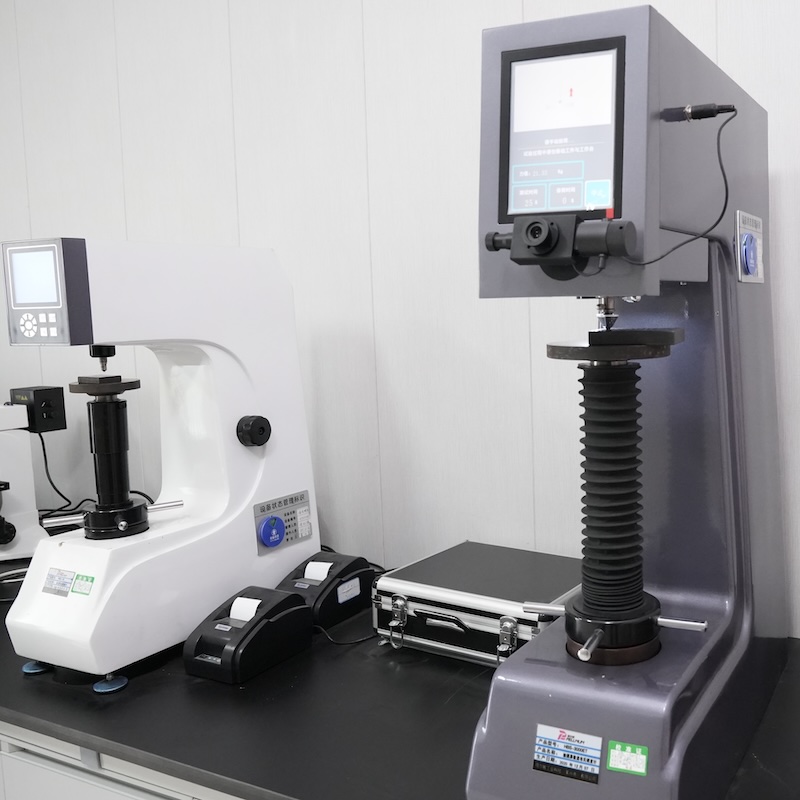
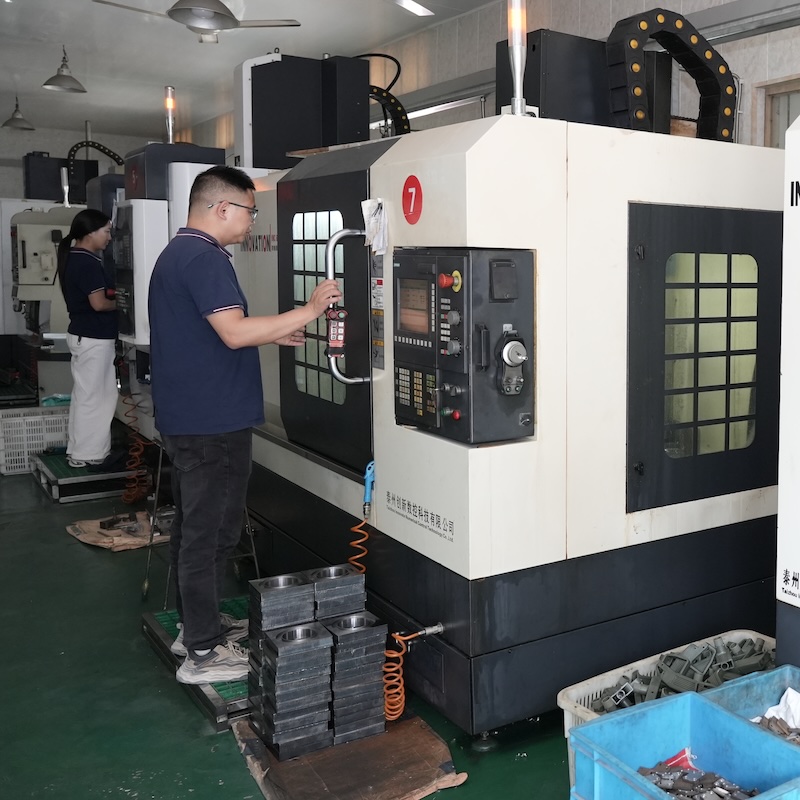
Metal parts fabrication leverages cutting-edge precision engineering and advanced manufacturing technology to deliver components with exceptional accuracy and consistency that traditional methods simply cannot match. Modern fabrication facilities invest heavily in state-of-the-art CNC machining centers, laser cutting systems, and computer-controlled press brakes that execute complex operations with micron-level precision. These sophisticated machines interpret digital designs directly from CAD software, eliminating human error and ensuring perfect replication across hundreds or thousands of identical parts. The precision capabilities of contemporary metal parts fabrication enable manufacturers to hold tolerances as tight as plus or minus a few thousandths of an inch, critical for applications where components must fit together perfectly or function within narrow operational parameters. Laser cutting technology provides clean, accurate cuts through various metal thicknesses without mechanical stress or material distortion, producing edges that often require no secondary finishing operations. CNC punching and forming equipment creates complex geometric shapes, multiple bends, and intricate patterns with repeatable accuracy that manual methods cannot achieve. Precision welding techniques including TIG, MIG, and robotic welding ensure strong, consistent joints with minimal heat-affected zones and excellent aesthetic appearance. Advanced measuring and inspection equipment such as coordinate measuring machines, laser scanners, and optical comparators verify dimensional accuracy throughout production, catching any deviations before they affect subsequent operations or reach customers. Quality management systems track every aspect of the fabrication process, creating comprehensive documentation and traceability that satisfy rigorous industry standards and customer requirements. The integration of automation and robotics further enhances precision by eliminating variability associated with manual handling and positioning. Automated material handling systems move workpieces between operations without risk of damage or misalignment. Vision systems guide robots to exact locations for welding, assembly, or quality inspection tasks. This technological sophistication translates directly into superior product performance, reduced warranty claims, and enhanced customer satisfaction. Companies that choose metal parts fabrication gain access to manufacturing capabilities that would require prohibitively expensive capital investment to replicate in-house, while benefiting from the expertise of specialists who continuously refine their processes and stay current with technological advances.
Versatile Material Selection and Application Adaptability

Versatile Material Selection and Application Adaptability

Metal parts fabrication excels through its remarkable versatility in material selection and application adaptability, enabling manufacturers to choose the optimal metal alloy and fabrication technique for each specific use case. This flexibility ensures that every component delivers the precise combination of mechanical properties, corrosion resistance, weight characteristics, and cost-effectiveness required by its intended application. Carbon steel remains a popular choice for metal parts fabrication due to its excellent strength-to-cost ratio, widespread availability, and suitability for structural components, brackets, enclosures, and general fabrication work. Stainless steel varieties offer superior corrosion resistance, making them ideal for food processing equipment, medical devices, marine applications, and architectural features exposed to weather or chemicals. Aluminum provides an exceptional strength-to-weight ratio, thermal conductivity, and natural corrosion resistance that benefit aerospace components, transportation equipment, electronics housings, and applications where weight reduction drives performance improvements. Specialized alloys including titanium, Inconel, and copper alloys serve demanding applications in aerospace, chemical processing, electrical systems, and high-temperature environments where standard materials would fail. The adaptability of metal parts fabrication extends beyond material selection to encompass diverse forming techniques suited to different geometries, production volumes, and performance requirements. Sheet metal fabrication creates enclosures, panels, brackets, and chassis components through cutting, bending, and forming operations. Structural fabrication joins beams, channels, and plates to construct frameworks, supports, and assemblies for buildings, bridges, and heavy equipment. Precision machining removes material to create complex contours, threads, holes, and tight-tolerance features impossible to achieve through forming alone. Welding and joining processes permanently connect separate components into unified assemblies that function as single integrated units. Surface finishing options including powder coating, anodizing, plating, and painting provide corrosion protection, aesthetic appeal, and functional properties such as electrical conductivity or lubricity. This comprehensive range of materials and processes means metal parts fabrication accommodates applications spanning from miniature electronic components weighing mere grams to massive structural assemblies weighing several tons. Industries as diverse as agriculture, defense, energy production, telecommunications, and consumer products all rely on fabricated metal parts tailored to their unique operational demands. The ability to quickly switch between materials, adjust fabrication parameters, and apply different finishing treatments enables rapid response to changing specifications or new project requirements without lengthy retooling or process redevelopment.
Cost Optimization Through Efficient Production and Waste Reduction

Cost Optimization Through Efficient Production and Waste Reduction

Metal parts fabrication achieves significant cost optimization through efficient production methodologies and waste reduction strategies that benefit both manufacturers and their customers. Modern fabrication shops implement lean manufacturing principles, advanced nesting software, and process optimization techniques that maximize material utilization while minimizing scrap, energy consumption, and production time. Intelligent nesting algorithms arrange cutting patterns on metal sheets to extract the maximum number of parts from each piece of raw material, dramatically reducing the percentage of unusable remnants. This software considers part geometry, grain direction requirements, and machine capabilities to create optimized cutting plans that sometimes achieve material utilization rates exceeding ninety percent. The substantial reduction in scrap directly lowers material costs, which typically represent the largest expense component in metal parts fabrication projects. Efficient production workflows eliminate unnecessary handling, reduce setup times between jobs, and sequence operations logically to minimize work-in-process inventory and floor space requirements. Value stream mapping identifies bottlenecks, redundant movements, and non-value-adding activities that can be eliminated or streamlined. Continuous improvement initiatives engage workers at all levels to suggest productivity enhancements, quality improvements, and cost-saving innovations based on their hands-on experience. Preventive maintenance programs keep equipment operating at peak efficiency, avoiding costly breakdowns that halt production and delay deliveries. Predictive maintenance technologies monitor machine conditions in real-time, alerting technicians to potential issues before they cause failures. Energy-efficient equipment and optimized operating parameters reduce utility costs while supporting environmental sustainability goals. Batch processing strategies group similar parts together to minimize changeover times and maintain consistent machine settings across multiple pieces. Just-in-time inventory management reduces carrying costs by synchronizing material deliveries with production schedules, eliminating excess stock while ensuring materials arrive when needed. Strategic supplier relationships secure favorable pricing on raw materials through volume commitments and long-term agreements. The accumulated effect of these efficiency measures and waste reduction tactics enables competitive pricing that makes metal parts fabrication economically attractive even for projects where clients might consider alternative manufacturing methods or materials. Customers receive superior quality metal components at costs comparable to or lower than less durable alternatives, while benefiting from faster delivery, better technical support, and the confidence that comes from working with fabrication specialists committed to continuous improvement and operational excellence.

Get a Free Quote

Our representative will contact you soon.
Email
Name
Company Name
Message
0/1000