Material Versatility and Application-Specific Solutions
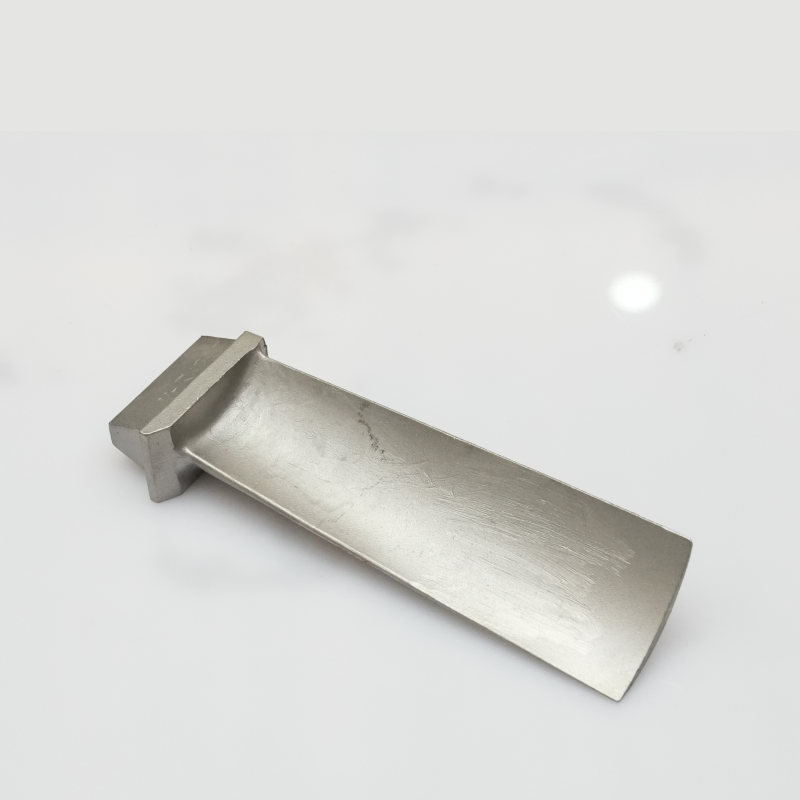
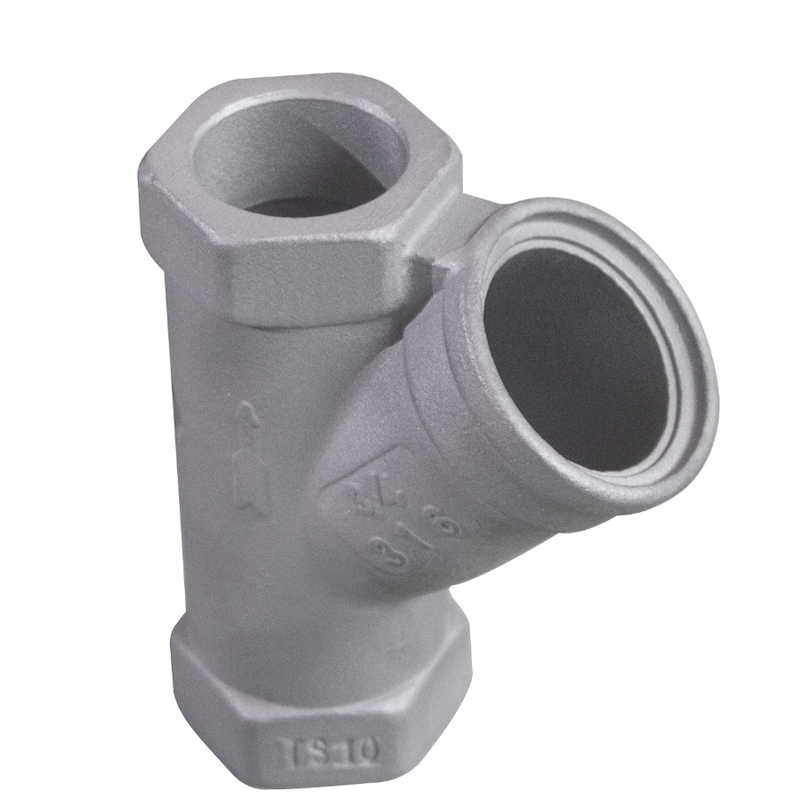
The exceptional material versatility inherent in metal parts fabrication empowers businesses to select the optimal metal alloy for their specific application requirements, ensuring that finished components deliver the performance characteristics essential for their intended use. Steel fabrication remains popular for applications demanding high strength-to-cost ratios, with mild steel offering excellent weldability and machinability for structural components, brackets, and frames used throughout construction, agriculture, and general manufacturing sectors. Stainless steel fabrication addresses applications requiring corrosion resistance and hygiene standards, making it the preferred choice for food processing equipment, pharmaceutical manufacturing systems, marine environments, and architectural elements exposed to weather or chemicals. Aluminum fabrication delivers lightweight solutions where weight reduction improves performance or reduces energy consumption, such as transportation applications where lower vehicle weight translates to improved fuel efficiency, aerospace components where every pound saved increases payload capacity or range, and portable equipment where reduced weight enhances user convenience. Copper and brass fabrication serves electrical and thermal management applications, with copper's superior conductivity making it essential for electrical bus bars, heat exchangers, and electronic components, while brass provides corrosion resistance combined with attractive appearance for decorative hardware, plumbing fixtures, and marine fittings. Titanium fabrication meets demanding aerospace, medical, and chemical processing requirements where exceptional strength-to-weight ratio, biocompatibility, or resistance to extreme temperatures and corrosive environments justify premium material costs. Beyond material selection, metal parts fabrication accommodates various forms including sheet metal for enclosures and panels, plate material for heavy structural components, bar stock for machined parts, and tubing for frames and fluid conveyance systems. This versatility extends to finish options, with powder coating providing durable, attractive colored finishes resistant to chipping and fading, anodizing creating protective oxide layers on aluminum that enhance corrosion resistance while enabling color options, electroplating depositing thin layers of metals like zinc, nickel, or chrome for corrosion protection or aesthetic enhancement, and passivation treating stainless steel to maximize its natural corrosion resistance. The ability to combine different materials within assemblies through welding or mechanical fastening further expands design possibilities, enabling engineers to optimize each component within a system for its specific function while maintaining overall assembly integrity and performance.

 EN
EN