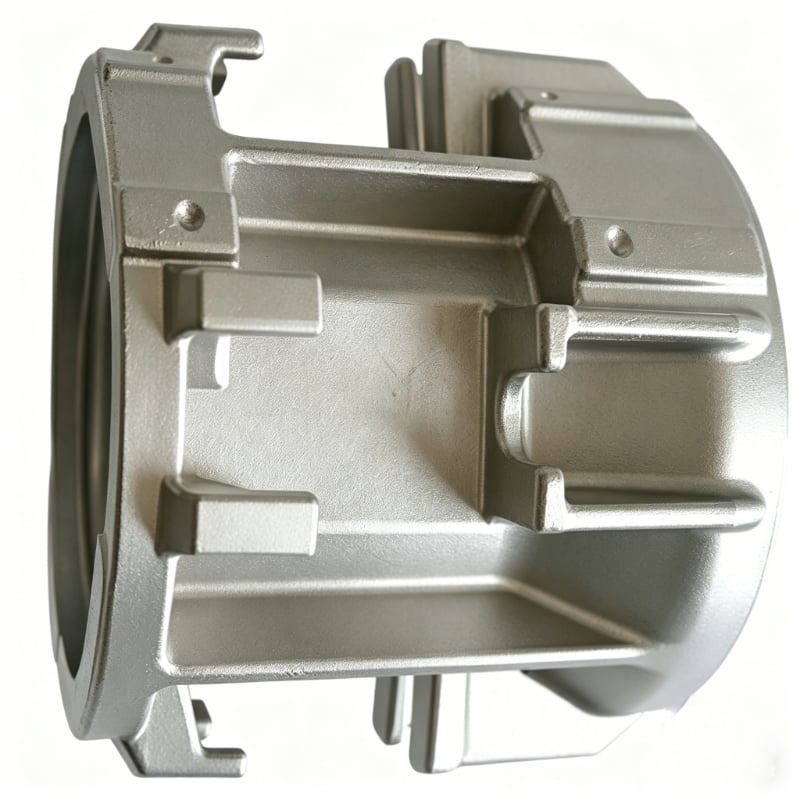
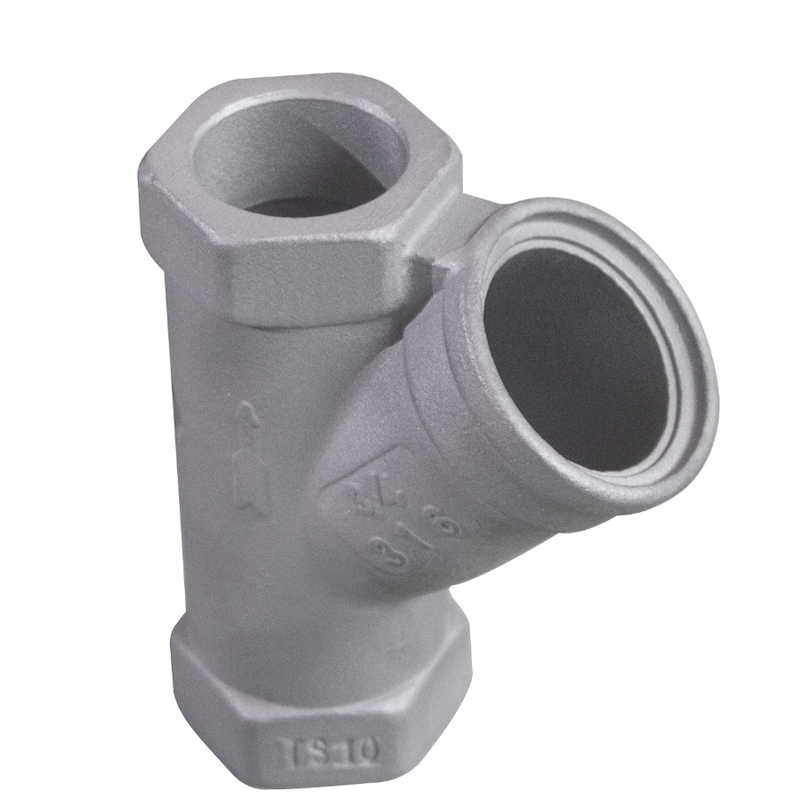
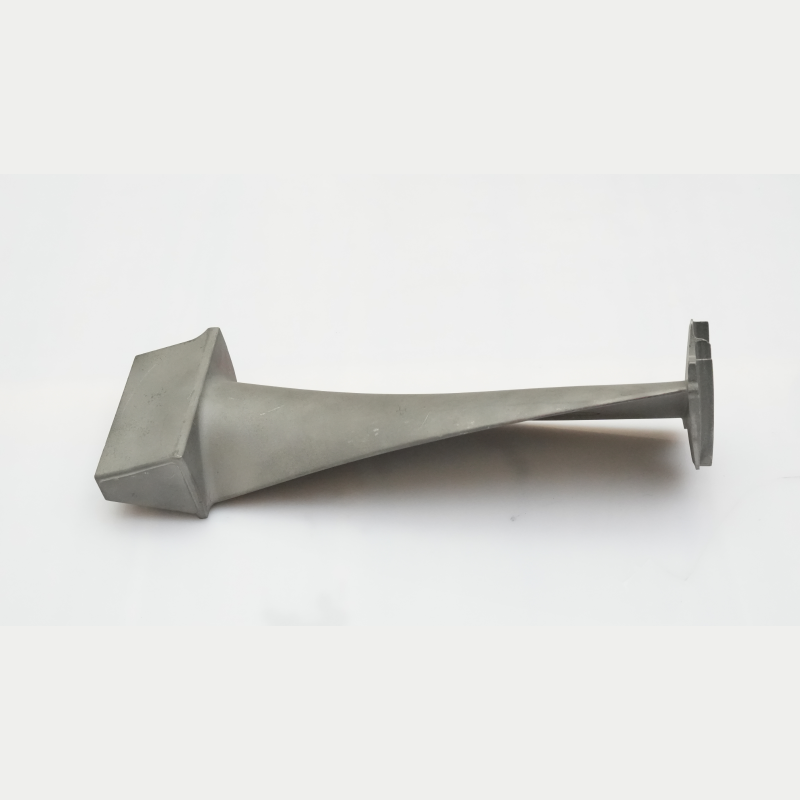
engine cooling system parts
Engine cooling system parts represent critical components that maintain optimal operating temperatures in automotive and industrial engines. These sophisticated parts work together as an integrated network to prevent overheating, ensure efficient performance, and extend engine lifespan. The primary function of engine cooling system parts involves circulating coolant fluid throughout the engine block, absorbing excess heat generated during combustion, and dissipating it through the radiator. Modern engine cooling system parts incorporate advanced materials and engineering designs that respond to varying operational demands. The system typically includes radiators, water pumps, thermostats, cooling fans, hoses, reservoirs, and temperature sensors. Each component plays a specific role in thermal management. The radiator acts as the heat exchanger, transferring thermal energy from the coolant to ambient air. Water pumps ensure continuous circulation of coolant through engine passages and the radiator core. Thermostats regulate coolant flow based on temperature readings, opening and closing to maintain ideal engine temperature ranges. Cooling fans activate when additional airflow is needed to enhance heat dissipation. Engine cooling system parts utilize materials resistant to corrosion, high temperatures, and pressure fluctuations. Aluminum alloys, reinforced rubber compounds, and heat-resistant plastics are commonly employed. Technological features include precision-engineered flow channels, optimized fin designs for maximum surface area, and electronic control systems for intelligent temperature management. Applications span passenger vehicles, commercial trucks, agricultural machinery, marine engines, and stationary power generation equipment. In racing and high-performance applications, specialized engine cooling system parts feature enhanced capacity and efficiency. The reliability of these components directly impacts fuel economy, emissions control, and overall engine durability. Proper maintenance and timely replacement of engine cooling system parts prevent catastrophic engine failure, reduce repair costs, and maintain vehicle safety standards across diverse operating conditions and environmental challenges.

 EN
EN