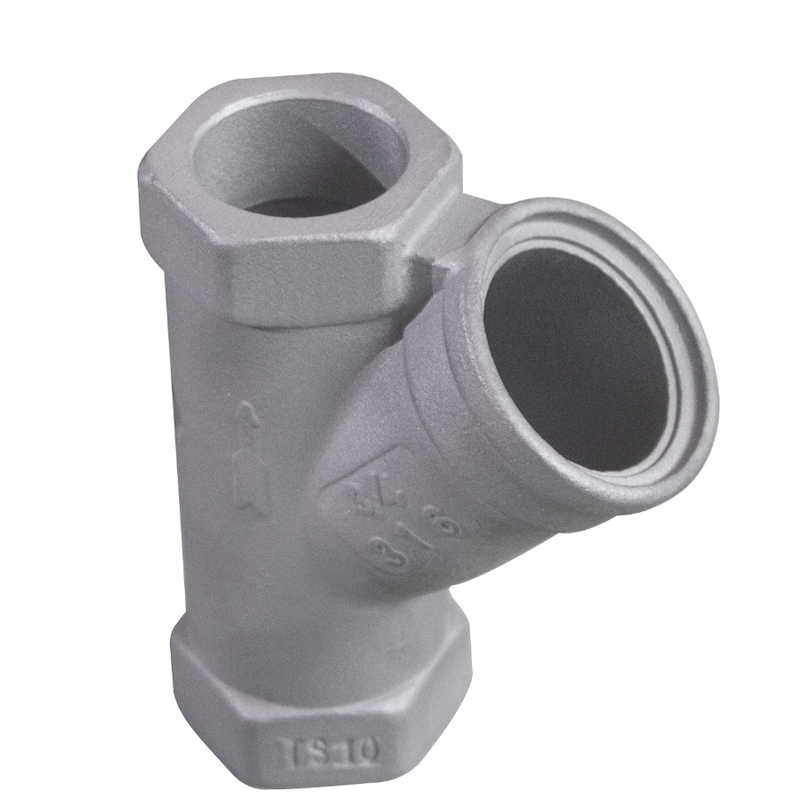
Kiváló anyagtulajdonságok és szerkezeti integritás
A nagy pontosságú szilikaoldat öntési eljárásban rejlő fémetani előnyök olyan alkatrészeket eredményeznek, amelyek mechanikai tulajdonságai és szerkezeti megbízhatósága megfelel a legnagyobb igényeket támasztó alkalmazási követelményeknek. A kerámia héjakon belüli szabályozott szilárdulási környezet finomszemcsés mikroszerkezetet és minimális pórusosságot eredményez, amely következtében az anyag viselkedése egyenletes marad mechanikai terhelés, extrém hőmérsékleti viszonyok és korróziós környezet hatására is. Ellentétben a hegesztett szerelvényekkel vagy megmunkált alkatrészekkel – amelyekben maradékfeszültségek vagy zavart szemcsestruktúrák fordulhatnak elő – az öntött alkatrészek keresztmetszetük egészében egyenletes tulajdonságokkal rendelkeznek, így javítva az előrejelezhető teljesítményt és a hosszú távú tartósságot. Az eljárás széles körű mérnöki ötvözetek feldolgozását teszi lehetővé, ideértve az ausztenites és martenzites rozsdamentes acélokat, kiválásos keményedésű ötvözeteket, alumíniumötvözeteket, rézötvözeteket, szerszámacélokat, valamint extrém környezetekben használt exotikus szuperalapokat. A fémetanuk pontos ötvözetösszetételeket határozhatnak meg az adott teljesítménykövetelményekhez igazodva, például tengeri környezetben való korrózióállóság, turbinákban való magas hőmérsékleten mutatott szilárdság, bányászati berendezésekben való kopásállóság vagy orvosi implantátumokban való biokompatibilitás szempontjából. Az egyszerű darabos kialakítás kiküszöböli a mechanikai illesztéseket, amelyek potenciális hibakezdőpontokként szolgálhatnának, így javítja a fáradási ellenállást és a dinamikus terhelésekkel szembeni ellenállást a szerelt alternatívákhoz képest. A minőségellenőrzés előnyöket élvez a homogén szerkezetből, amely előrejelezhető módon reagál a hőkezelési folyamatokra, lehetővé téve a tulajdonságok pontos beállítását oldathőkezeléssel, öregítéssel vagy keményítéssel. A nem romboló vizsgálati módszerek – például röntgenfelvétel, ultrahangos vizsgálat és fluoreszkáló behatolásos vizsgálat – ellenőrzik az alkatrészek belső tömörségét és felületi épségét, dokumentált minőségbiztosítást nyújtva, amely megfelel a légiközlekedési, orvosi és védelmi ipar szabványainak. A hegesztés hiánya azt jelenti, hogy nincsenek hőhatási zónák megváltozott tulajdonságokkal, nincs kitöltőanyag-kompatibilitási probléma, és nincs torzulás a gyártás során fellépő hőciklusok miatt. Az alkatrészek méretstabilitását a teljes üzemelési időtartam alatt megőrzik, mivel a belső feszültségek minimálisak, és a szemcsestruktúrák stabilak maradnak az üzemelési körülmények között. A nagy pontosságú szilikaoldat öntvények támogatják a későbbi felületkezeléseket, például elektroplattálást, anódosítást, hőspray bevonatokat és konverziós bevonatokat, amelyek meghatározott tulajdonságokat javítanak anélkül, hogy kárt tennének az alapanyag integritásában. A megbízható mechanikai tulajdonságok lehetővé teszik a mérnökök számára, hogy biztonsággal optimalizálják a terveket, a tényleges anyagtulajdonságokra támaszkodva, nem pedig konzervatív feltételezésekre, amelyekre akkor van szükség, ha a tulajdonságváltozások bizonytalanok. Olyan iparágak, amelyek az alkatrészek megbízhatóságára építenek – például az olaj- és gázkitermelés, az energiatermelés, a vegyipari feldolgozás és a közlekedési infrastruktúra – a nagy pontosságú szilikaoldat öntvényekre támaszkodnak, hogy megbízható teljesítményt nyújtsanak kritikus alkalmazásokban, ahol a hibák költségesek vagy veszélyesek lehetnek.

 EN
EN