Versatile Design Flexibility Through Advanced Casting Technology
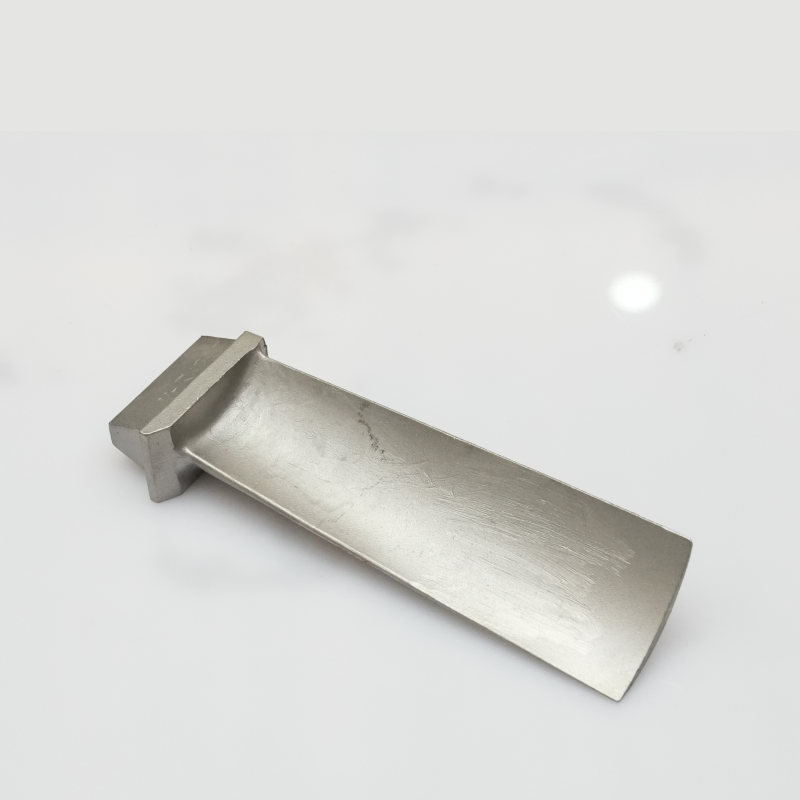
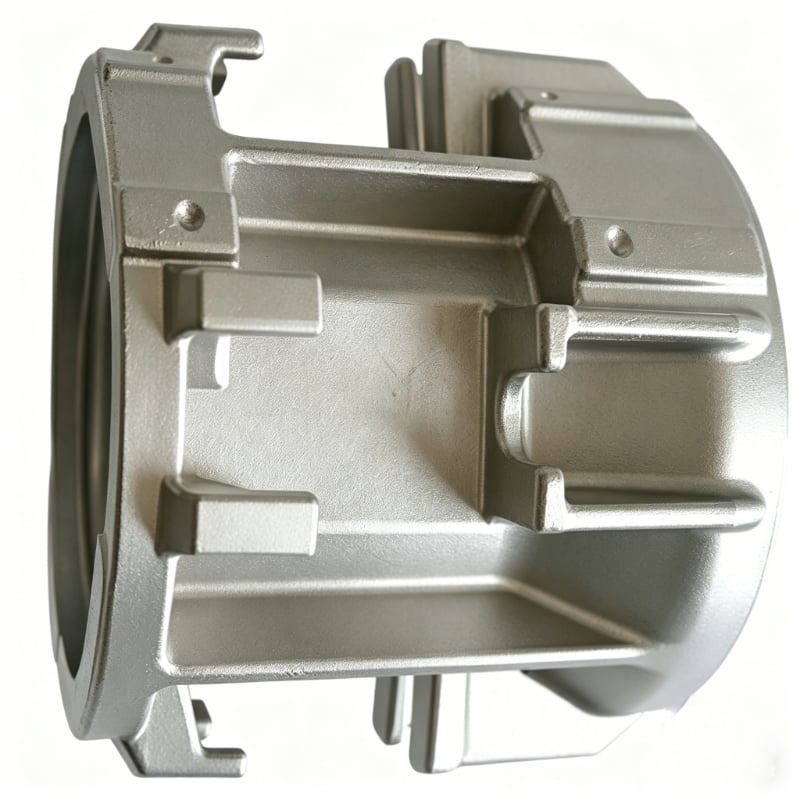
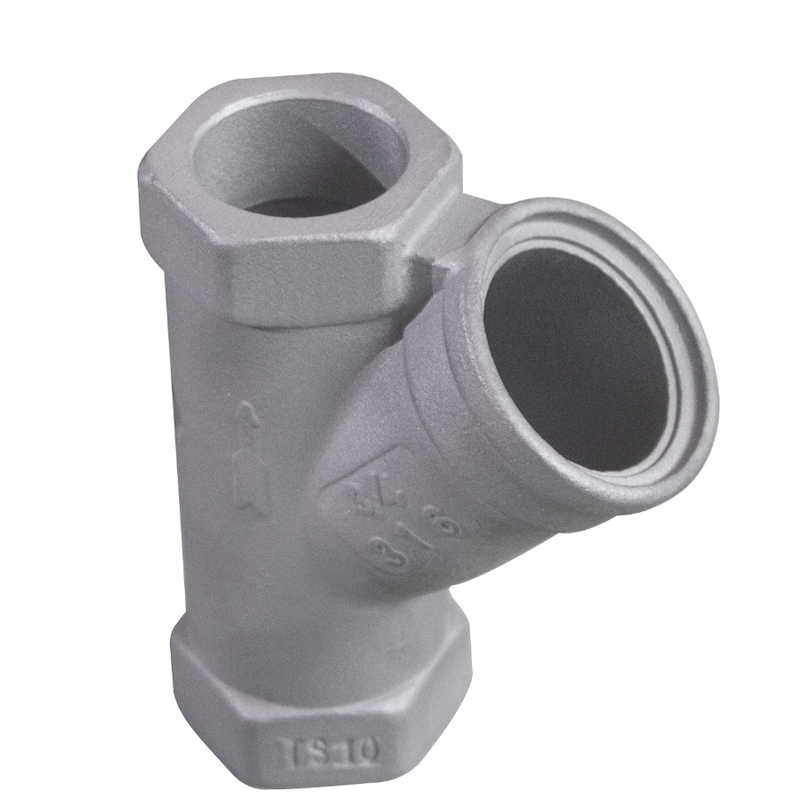
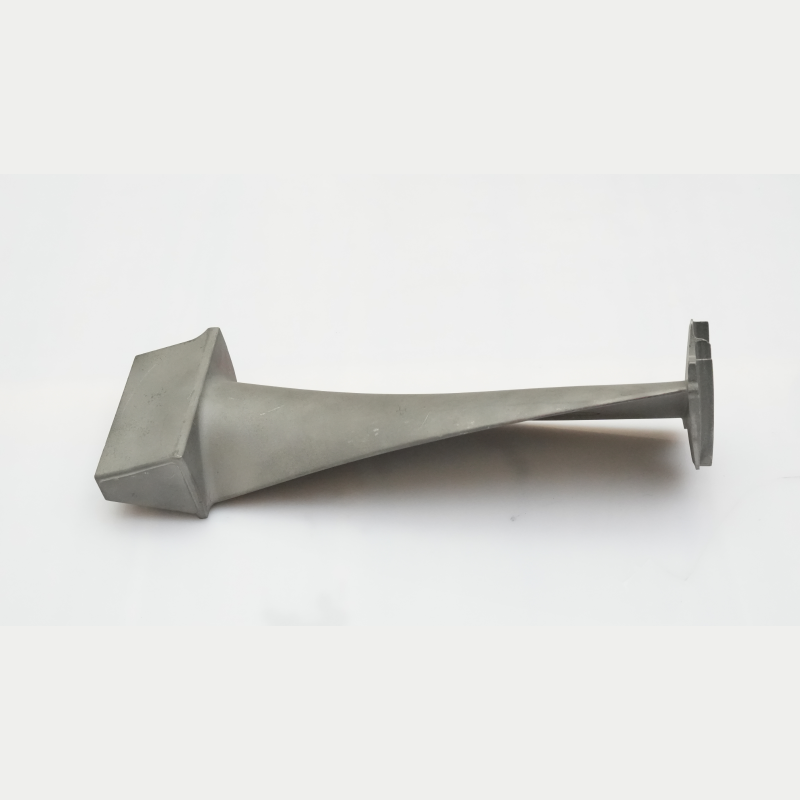
The versatile design flexibility offered by heat resistant alloy steel castings through advanced casting technology provides engineers and manufacturers with unprecedented freedom to optimize component geometry, functionality, and performance characteristics. The casting process allows the creation of complex three-dimensional shapes, intricate internal passages, integrated mounting features, and variable wall thickness in a single component that would be extremely difficult, prohibitively expensive, or simply impossible to produce through machining, forging, or fabrication methods. This design freedom is particularly valuable for heat resistant applications where components often require internal cooling channels, complex flow paths for gases or liquids, integral stiffening ribs, or mounting provisions that must be incorporated into the heat-resistant structure. Investment casting techniques can achieve dimensional tolerances and surface finishes that approach machined quality, reducing or eliminating secondary operations and lowering production costs. The ability to cast near-net shapes means less material waste compared to machining from solid billets, which is especially significant given the higher cost of heat resistant alloy materials. Design engineers can optimize heat resistant alloy steel castings for specific thermal and mechanical performance requirements by varying wall thickness, adding cooling fins, incorporating thermal expansion joints, or creating stress-relief features directly into the cast geometry. This optimization capability allows components to be lighter, more efficient, and better suited to their operational environment than designs constrained by the limitations of other manufacturing processes. The casting process also enables the economical production of both prototype quantities for testing and validation as well as production volumes ranging from small batches to large series, providing flexibility across the product development and manufacturing lifecycle. Designers can specify different alloy compositions for different sections of a casting through specialized techniques, creating components with tailored properties in different regions to match local thermal and mechanical requirements. The integration of multiple functions into a single cast component reduces assembly requirements, eliminates potential leak paths at joints, improves structural integrity by removing stress concentrations at attachment points, and simplifies inventory management and installation procedures. This consolidation capability is particularly beneficial for complex assemblies like turbine housings, burner assemblies, or heat exchanger components where traditional fabricated designs require numerous parts, extensive welding, and complex assembly sequences. The technological sophistication of modern casting processes, including computer simulation of mold filling and solidification, allows engineers to predict and control the microstructure, mechanical properties, and dimensional characteristics of heat resistant alloy steel castings before production begins, reducing development time and ensuring first-time quality.

 EN
EN