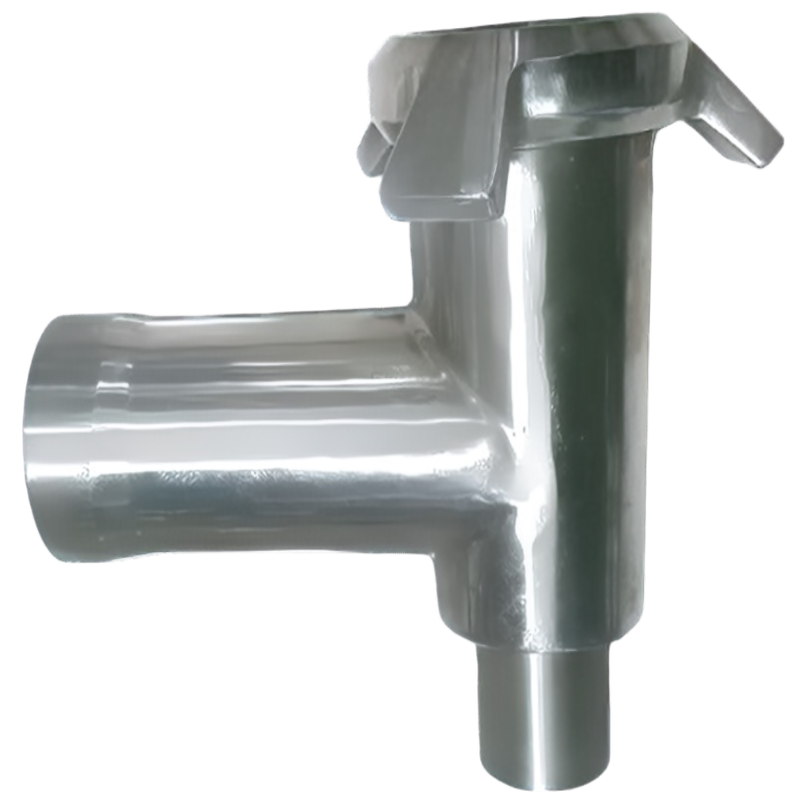
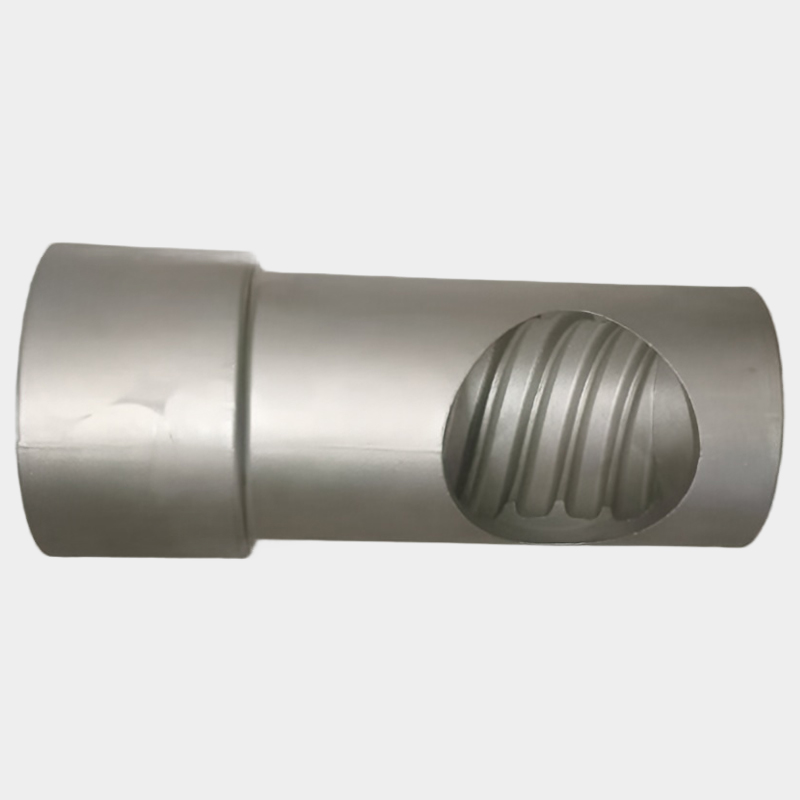
Premium Power Transmission Components - Industrial Efficiency Solutions

Get a Free Quote

Our representative will contact you soon.
Email
Name
Mobile
Company Name
Message
0/1000

power transmission components

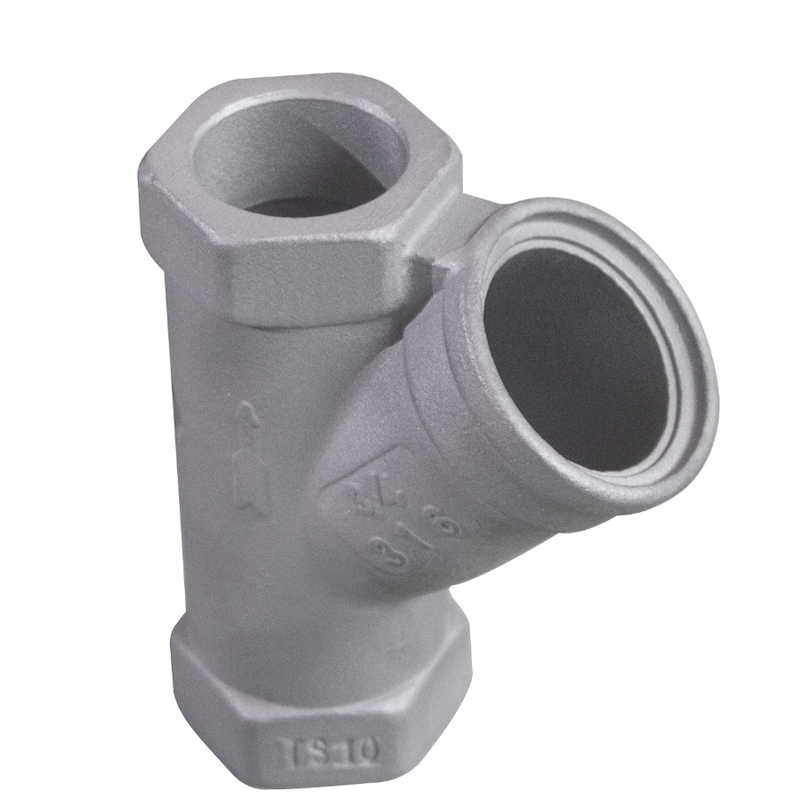
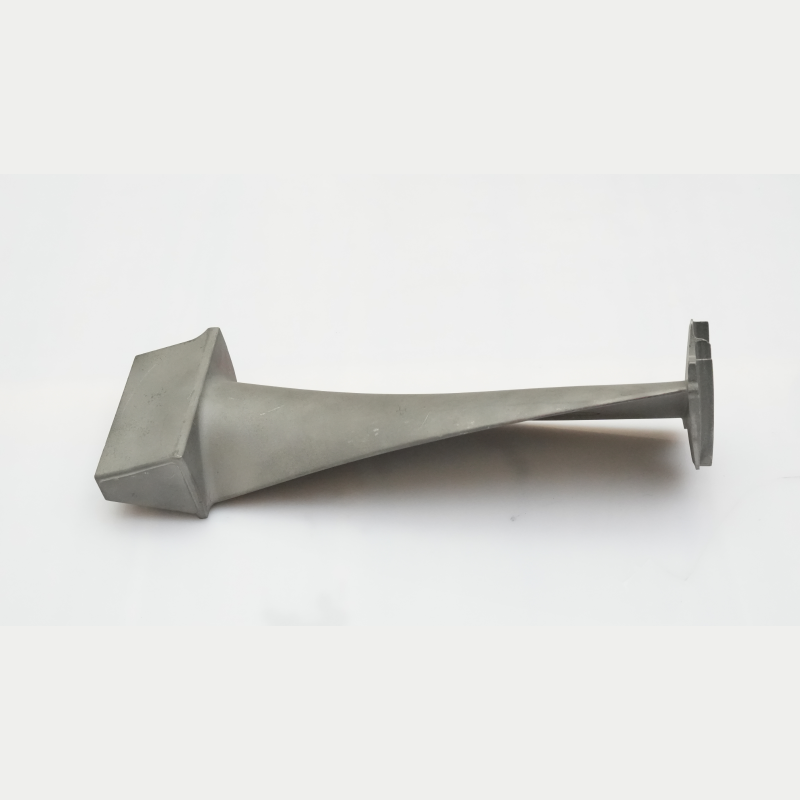
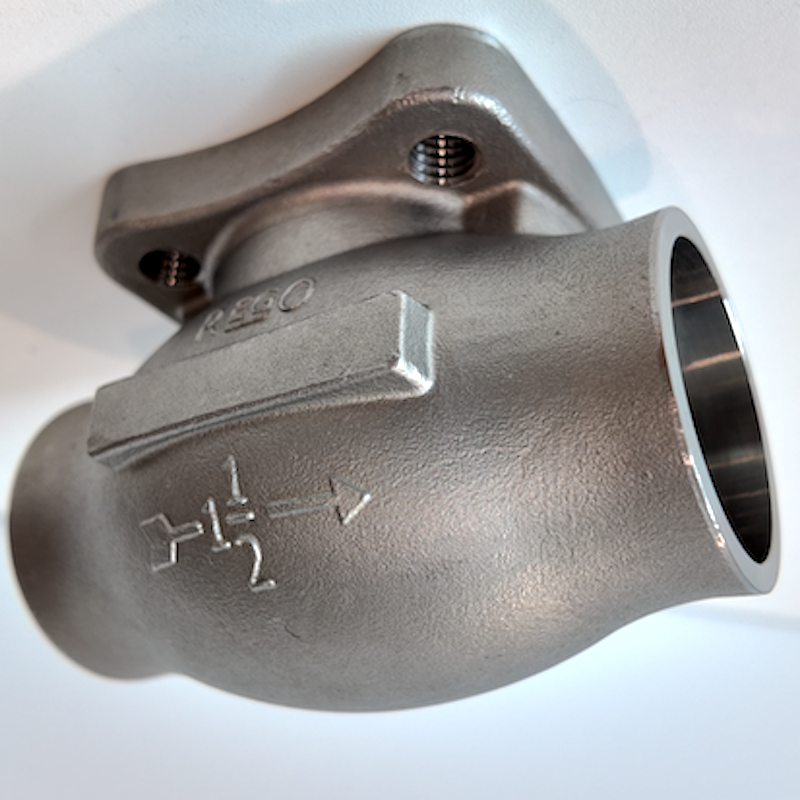
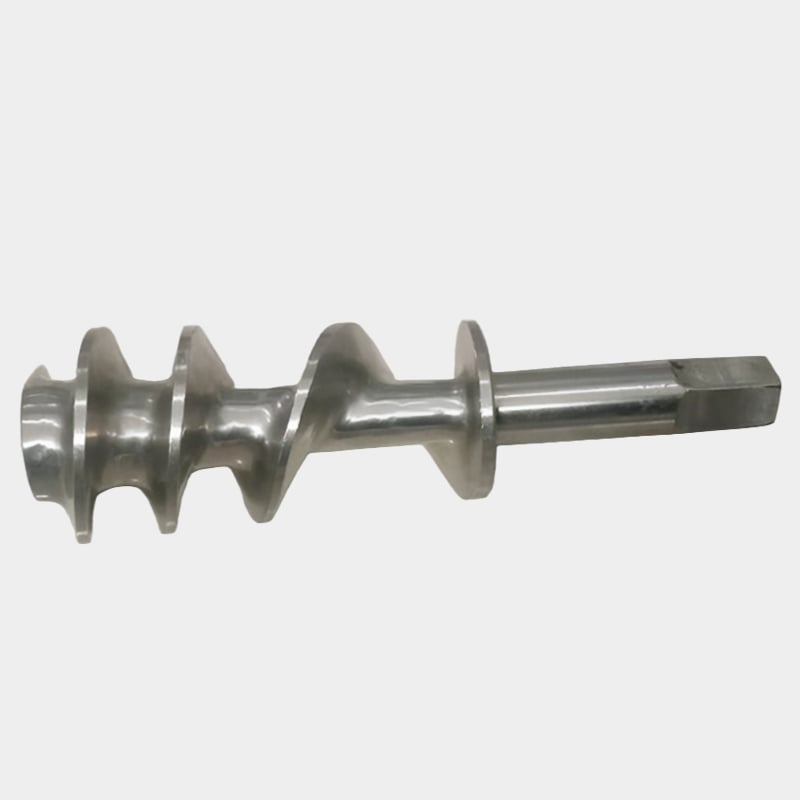
Power transmission components represent the critical mechanical elements that transfer rotational force and motion from one part of a machine to another, enabling equipment to function efficiently across countless industrial applications. These essential components form the backbone of modern machinery, converting energy from motors and engines into productive mechanical work. The primary functions of power transmission components include transmitting torque between shafts, changing rotational speed through gear ratios, altering the direction of power flow, and providing temporary disconnection or engagement of power as needed. Within manufacturing facilities, construction equipment, automotive systems, and agricultural machinery, these components serve as the vital link between power sources and working mechanisms. Technological features of contemporary power transmission components have evolved significantly, incorporating advanced materials such as hardened steel alloys, precision engineering techniques, and innovative design methodologies that maximize efficiency while minimizing energy losses. Modern manufacturing processes utilize computer-aided design and CNC machining to achieve tolerances measured in microns, ensuring components mesh perfectly and operate smoothly under demanding conditions. Heat treatment processes strengthen critical surfaces, extending service life and improving load-carrying capacity. The applications for power transmission components span virtually every sector of industry, from conveyor systems in food processing plants to heavy-duty gearboxes in mining operations, from precision robotics in electronics manufacturing to powerful drivetrains in agricultural tractors. These components enable variable speed control, provide mechanical advantage for heavy lifting applications, and allow operators to optimize equipment performance for specific tasks. Understanding the fundamental role of power transmission components helps businesses select appropriate solutions that match their operational requirements, ensuring reliable performance, minimizing downtime, and maximizing return on investment across diverse mechanical systems and industrial environments.

New Products

Investing in quality power transmission components delivers tangible benefits that directly impact your operational efficiency and bottom line. First and foremost, these components dramatically improve energy efficiency by minimizing friction losses and ensuring smooth power transfer throughout your mechanical systems. When components fit precisely and operate smoothly, less energy converts to waste heat, which means lower electricity costs and reduced environmental impact for your facility. You will notice immediate improvements in equipment performance as properly matched components eliminate vibration, reduce noise levels, and provide consistent operation even under varying load conditions. The durability of modern power transmission components translates to extended service intervals and fewer unexpected breakdowns, allowing you to plan maintenance activities during scheduled downtime rather than responding to emergency failures. This reliability protects your production schedules and helps maintain consistent output quality, which your customers depend upon. Another significant advantage involves the flexibility these components provide for customizing equipment to specific applications. You can easily modify speed ratios, change torque multiplication factors, or adapt existing machinery to new tasks by selecting appropriate component configurations. This adaptability extends equipment lifespan and protects your capital investment by allowing machines to evolve with changing business needs. The cost-effectiveness of power transmission components becomes apparent when you consider total ownership expenses rather than simply initial purchase prices. Quality components require less frequent replacement, consume less energy during operation, and reduce labor costs associated with maintenance and repairs. Your maintenance teams will appreciate standardized components that simplify inventory management and speed up repair procedures, getting equipment back into production faster. Safety improvements represent another crucial advantage, as properly functioning power transmission components reduce the risk of sudden failures that could endanger operators or damage surrounding equipment. Modern designs incorporate safety features such as overload protection, which prevents damage when unexpected conditions occur. The smooth operation achieved through precision components also reduces stress on adjacent mechanical elements, creating a cascade of reliability benefits throughout your entire system. You gain better control over your processes when power transmission components deliver predictable, repeatable performance, enabling tighter quality control and more efficient production planning. These components also facilitate automation initiatives by providing the precise motion control necessary for robotic systems and computer-controlled machinery, helping you stay competitive in increasingly automated industries.

Tips And Tricks

How Does a Precision Investment Casting Manufacturer Ensure Consistent Quality Across Global Supply Chains?

05

Jun

How Does a Precision Investment Casting Manufacturer Ensure Consistent Quality Across Global Supply Chains?

In today's interconnected industrial landscape, sourcing complex metal components across international borders presents a formidable quality challenge. the manufacturer must navigate an intricate web of raw material sourcing, multi-stage production c...
View More
How Should Buyers Choose a Reliable Medium Temperature Wax Casting Service Provider?

26

Jun

How Should Buyers Choose a Reliable Medium Temperature Wax Casting Service Provider?

Selecting the right manufacturing partner for medium temperature wax casting is one of the most consequential decisions a procurement professional or product engineer can make. The process, which involves injecting wax into precision dies at carefull...
View More
How Can OEM ODM Precision Casting Services Accelerate New Product Development Cycles?

26

Jun

How Can OEM ODM Precision Casting Services Accelerate New Product Development Cycles?

Bringing a new industrial product from concept to market is rarely a straightforward journey. Engineering teams face relentless pressure to compress timelines, reduce prototype iterations, and deliver production-ready components without sacrificing d...
View More
How Do OEM ODM Precision Casting Services Support Flexible Design and Rapid Prototyping?

26

Jun

How Do OEM ODM Precision Casting Services Support Flexible Design and Rapid Prototyping?

Figure 1: Custom Valve Body Fabricated via Precision Investment Casting, Featuring Crisp Surface Details and Net-Shape Integrity. In today's fast-evolving manufacturing landscape, the ability to move from concept to production-ready component quickly...
View More

Get a Free Quote

Our representative will contact you soon.
Email
Name
Mobile
Company Name
Message
0/1000

power transmission components

Superior Load Handling Capacity for Demanding Applications

Superior Load Handling Capacity for Demanding Applications

The exceptional load handling capacity of modern power transmission components represents a fundamental advantage for operations requiring reliable performance under challenging conditions. Engineers design these components using advanced stress analysis techniques and select materials specifically chosen for their strength-to-weight ratios, fatigue resistance, and ability to withstand shock loads. When your equipment encounters sudden torque spikes or continuous heavy-duty operation, properly rated power transmission components absorb these forces without failure, protecting both the component itself and connected machinery from damage. The load capacity advantage extends beyond simple strength measurements to include sophisticated considerations of dynamic loading, where forces change rapidly during operation. Components engineered for high load capacity incorporate features such as reinforced gear teeth with optimized profiles that distribute stress evenly across contact surfaces, preventing premature wear and extending service life significantly compared to standard alternatives. Bearing arrangements within power transmission components receive special attention, with manufacturers selecting bearing types and configurations that support radial and axial loads simultaneously while maintaining precise shaft positioning. This attention to load management proves especially valuable in applications such as heavy construction equipment, where components must reliably transmit hundreds of horsepower while enduring constant vibration, temperature fluctuations, and contamination from harsh operating environments. The superior load handling capacity directly translates to reduced maintenance requirements and lower total cost of ownership, as components designed with appropriate safety margins continue performing reliably long after lesser alternatives would require replacement. Users benefit from increased confidence in their equipment capabilities, knowing that power transmission components will not become the limiting factor when production demands increase or when equipment must handle unexpectedly challenging workloads. This reliability proves particularly valuable for operations where downtime carries significant financial consequences, as robust components maintain productivity during critical periods when equipment failures would prove most costly. The engineering principles underlying high load capacity also contribute to smoother operation and improved efficiency, as components designed to handle substantial forces typically incorporate precision manufacturing techniques that minimize internal friction and optimize power transfer characteristics.
Precision Engineering for Optimal Efficiency and Performance

Precision Engineering for Optimal Efficiency and Performance

Precision engineering distinguishes superior power transmission components from ordinary alternatives, delivering measurable performance improvements that justify investment in quality products. The manufacturing processes employed in creating precision components utilize state-of-the-art machining centers capable of holding tolerances within thousandths of an inch, ensuring perfect alignment and smooth meshing between mating parts. This level of accuracy eliminates the microscopic imperfections that cause vibration, noise, and premature wear in lesser components, resulting in quieter operation and extended service life that reduces long-term ownership costs. Precision-engineered power transmission components achieve higher efficiency ratings by minimizing energy losses throughout the power transfer process, converting more input power into useful mechanical work rather than waste heat. The financial impact of improved efficiency compounds over time, as even small percentage improvements in energy conversion translate to substantial electricity savings across years of continuous operation. Manufacturing precision also enables tighter control over critical dimensions such as gear tooth profiles, shaft concentricity, and bearing seat tolerances, which collectively determine how smoothly components operate under load. When components meet exacting specifications, they distribute forces evenly across load-bearing surfaces, preventing localized stress concentrations that lead to premature failure. Users gain operational advantages from precision components that maintain consistent performance characteristics throughout their service life, delivering predictable results that simplify process control and quality assurance efforts. The precision advantage becomes particularly apparent in high-speed applications where even minor imbalances or misalignments generate destructive vibrations that limit equipment capabilities and threaten component integrity. Precision-engineered power transmission components operate smoothly at elevated speeds, enabling equipment designers to specify higher operating velocities that increase productivity without sacrificing reliability. Quality control processes employed during precision manufacturing include comprehensive testing and inspection procedures that verify dimensional accuracy, material properties, and surface finish characteristics before components leave the factory. This rigorous approach ensures consistency across production batches, giving users confidence that replacement components will perform identically to originals, simplifying inventory management and maintenance planning. The investment in precision engineering pays dividends through reduced downtime, lower energy consumption, decreased maintenance requirements, and extended equipment lifespan, making precision components the economically rational choice for operations prioritizing long-term value over minimal initial cost.
Versatile Adaptability Across Diverse Industrial Applications

Versatile Adaptability Across Diverse Industrial Applications

The remarkable versatility of power transmission components enables their successful deployment across an extraordinarily wide range of industrial applications, providing solutions for challenges spanning multiple industries and operational contexts. This adaptability stems from thoughtful engineering approaches that create modular designs allowing users to configure components for specific requirements while maintaining compatibility with standard interfaces and mounting arrangements. Manufacturers offer power transmission components in extensive size ranges, ratio options, and configuration variations, ensuring appropriate solutions exist for applications from miniature precision instruments requiring milliwatts of power to massive industrial systems transmitting megawatts of mechanical energy. The versatility advantage proves particularly valuable for businesses operating diverse equipment fleets, as standardizing on adaptable component families simplifies spare parts inventory, streamlines maintenance training, and reduces the variety of specialized tools required for service activities. Engineers appreciate the design flexibility provided by versatile power transmission components when developing custom machinery or modifying existing equipment to accommodate new production requirements, as proven component platforms reduce development risk and accelerate project timelines compared to creating entirely custom solutions. Application versatility extends to environmental adaptability, with component variants engineered for operation in extreme temperatures, corrosive atmospheres, explosive environments, and hygienic processing areas where contamination prevention proves critical. Food processing facilities, pharmaceutical manufacturing plants, and chemical production operations all benefit from power transmission components specifically designed to meet their unique regulatory and operational requirements while delivering the same fundamental performance characteristics as standard industrial versions. The ability to adapt power transmission components to specialized applications through modifications such as special sealing arrangements, alternative lubrication systems, or corrosion-resistant materials protects equipment investment when operational conditions change or when expanding into new market segments with different environmental challenges. Versatility also encompasses the ease with which users can integrate power transmission components into both legacy equipment and cutting-edge automated systems, thanks to industry-standard interfaces and well-documented specifications that facilitate engineering work regardless of application complexity. Maintenance teams value the universal service procedures applicable across versatile component families, as technicians trained on basic principles can confidently service components throughout facilities without requiring specialized knowledge for each application. The economic advantages of versatile power transmission components include reduced capital costs through volume purchasing of common platforms, decreased inventory carrying costs from consolidated spare parts stocks, and improved equipment availability through interchangeability between similar machines, all contributing to enhanced operational efficiency and competitive advantage in demanding markets.

Get a Free Quote

Our representative will contact you soon.
Email
Name
Mobile
Company Name
Message
0/1000