Mechanical Drive Components: High-Performance Power Transmission Solutions for Industrial Applications

Get a Free Quote

Our representative will contact you soon.
Email
Name
Company Name
Message
0/1000

mechanical drive components

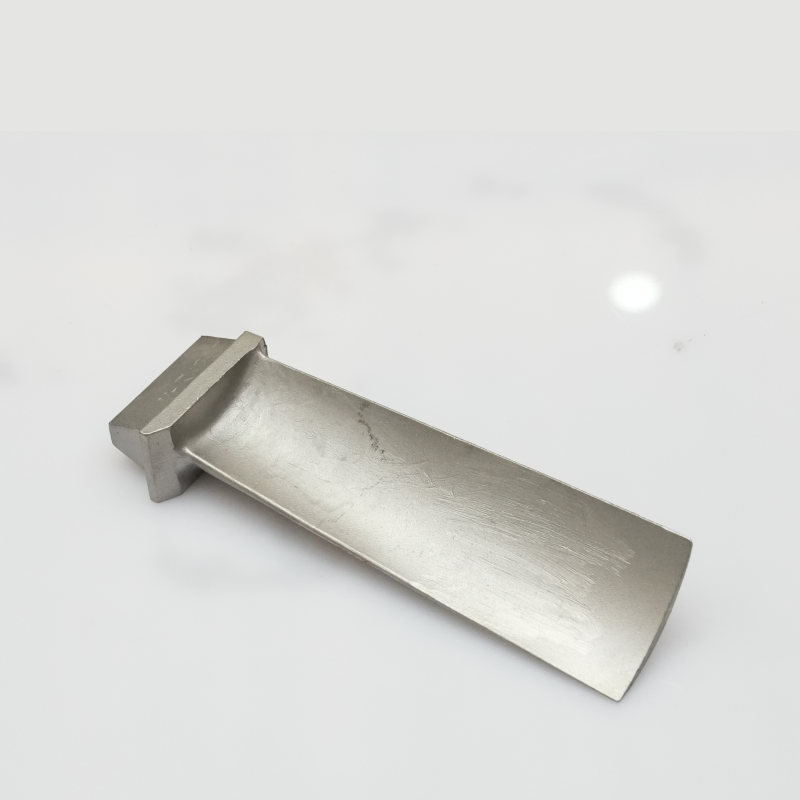
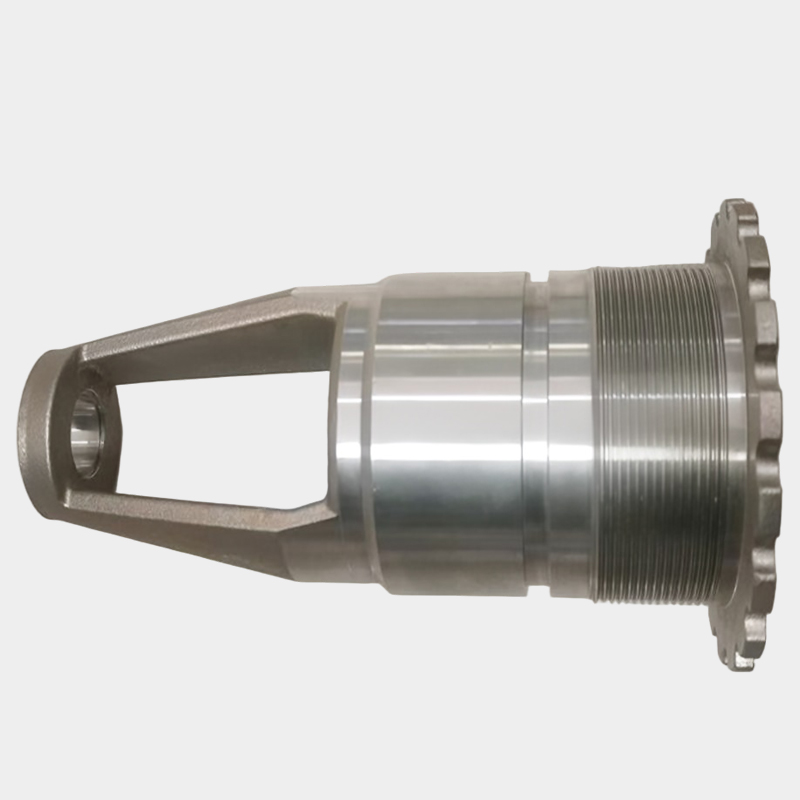
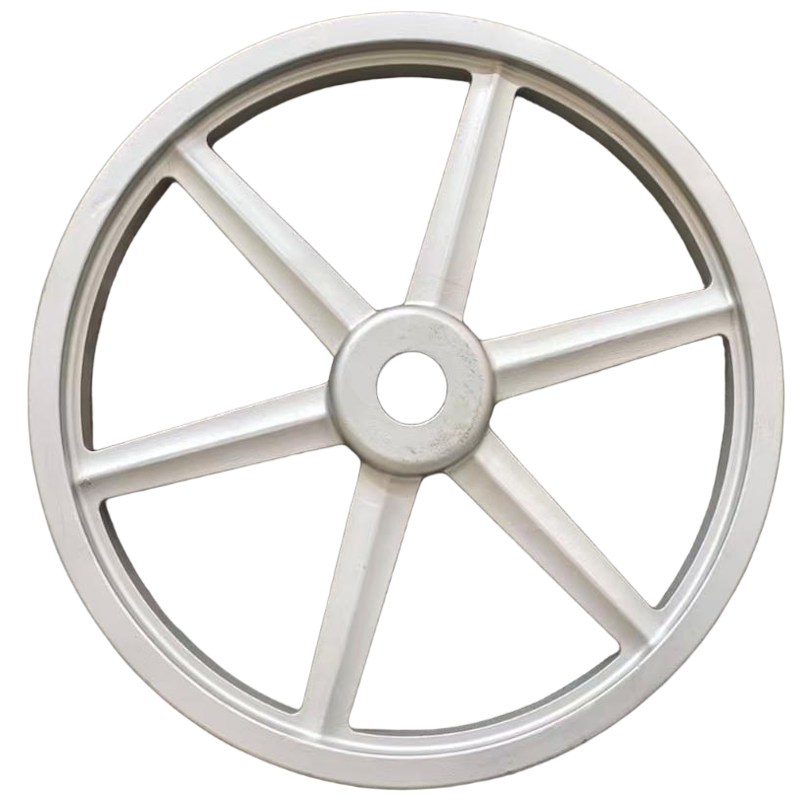
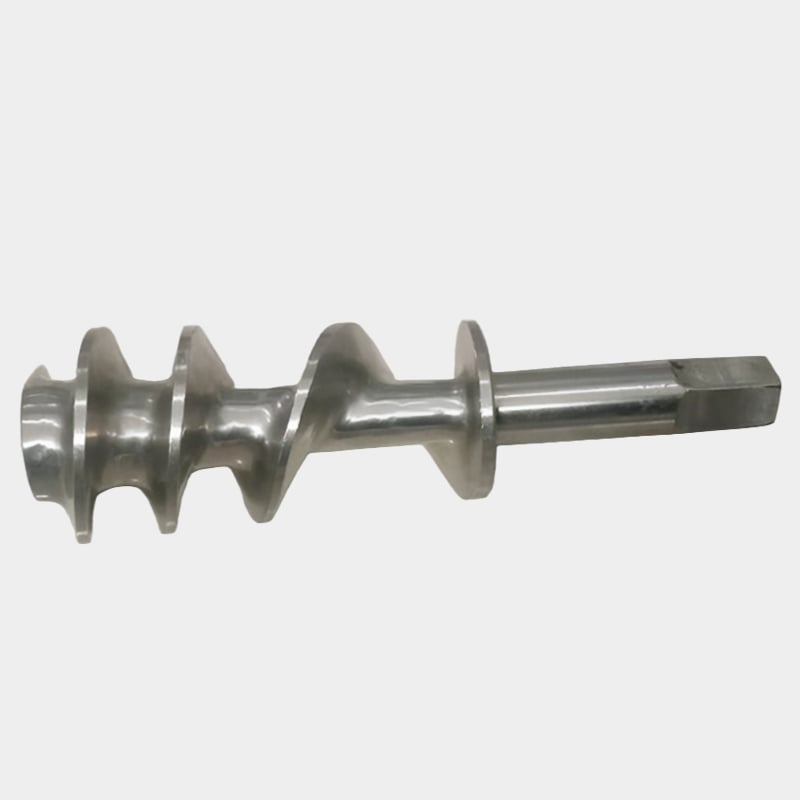
Mechanical drive components serve as the fundamental building blocks of power transmission systems across countless industrial and commercial applications. These essential elements transfer rotational motion and torque from power sources to working machinery, enabling equipment to perform their intended functions efficiently. The primary purpose of mechanical drive components is to transmit energy while modifying speed, direction, and force to match specific operational requirements. Core mechanical drive components include gears, shafts, bearings, couplings, sprockets, chains, pulleys, and belts, each designed to fulfill distinct roles within power transmission assemblies. These components work in harmony to ensure smooth operation, reliable performance, and extended service life of machinery. The technological features of modern mechanical drive components reflect decades of engineering advancement and material science innovation. Manufacturers now produce these parts using high-strength alloys, precision manufacturing techniques, and advanced heat treatment processes that enhance durability and load-carrying capacity. Computer-aided design and finite element analysis enable engineers to optimize component geometry for maximum efficiency and minimal wear. Surface treatments such as carburizing, nitriding, and specialized coatings reduce friction and resist corrosion, extending operational lifespan significantly. The applications for mechanical drive components span virtually every industry sector. Manufacturing facilities rely on these parts to power conveyor systems, assembly lines, and processing equipment. Agricultural machinery uses mechanical drive components to transfer engine power to implements and harvesting mechanisms. Construction equipment depends on robust drive systems to operate under demanding conditions. The automotive sector incorporates these components in transmissions, differentials, and accessory drives. Mining operations, material handling systems, packaging machinery, printing presses, and textile equipment all require properly selected mechanical drive components to maintain productivity and minimize downtime. Understanding the proper selection, installation, and maintenance of these components is crucial for achieving optimal system performance and cost-effectiveness.

New Product Recommendations

Choosing quality mechanical drive components delivers substantial benefits that directly impact your operational efficiency and bottom line. These advantages make them indispensable for businesses seeking reliable and cost-effective power transmission solutions. First, mechanical drive components offer exceptional energy efficiency, converting input power to useful work with minimal losses. This efficiency translates to reduced energy consumption and lower utility costs over the equipment's lifetime. Unlike some alternative transmission methods, properly maintained mechanical systems maintain their efficiency levels for years, providing consistent performance without degradation. Second, the durability of well-engineered mechanical drive components ensures extended service intervals and reduced replacement frequency. Modern materials and manufacturing processes create parts that withstand heavy loads, shock impacts, and continuous operation without premature failure. This longevity means fewer production interruptions and lower maintenance expenses, allowing your operations to run smoothly with minimal unplanned downtime. Third, mechanical drive components provide precise speed and torque control, enabling exact matching of power delivery to application requirements. This precision allows machinery to operate at optimal parameters, improving product quality and process consistency. The ability to fine-tune speed ratios through component selection gives engineers flexibility in system design and performance optimization. Fourth, these components demonstrate remarkable versatility across different operating environments and conditions. They function reliably in extreme temperatures, dusty atmospheres, humid conditions, and corrosive environments when properly specified and protected. This adaptability makes them suitable for applications ranging from climate-controlled factories to outdoor construction sites and marine installations. Fifth, the maintenance requirements for mechanical drive components remain straightforward and manageable. Technicians can easily inspect, lubricate, and service these parts using standard tools and procedures. This simplicity reduces training costs and enables in-house maintenance teams to handle routine care without specialized expertise or expensive diagnostic equipment. Sixth, replacement parts are widely available through multiple suppliers and distributors, ensuring quick procurement when repairs become necessary. This availability minimizes inventory carrying costs while providing confidence that critical components can be sourced rapidly during emergencies. Finally, mechanical drive components offer excellent value propositions through their combination of initial affordability, operational efficiency, and long service life. The total cost of ownership remains competitive compared to alternative technologies, making them economically attractive for budget-conscious organizations seeking maximum return on investment.

Tips And Tricks

Basic Principles Of Design Of Precision Casting Gating System

11

May

Basic Principles Of Design Of Precision Casting Gating System

View More
The Role Of Elements In Castings And The Order Of Addition

11

May

The Role Of Elements In Castings And The Order Of Addition

View More
Stainless Steel Castings for Architectural Posts

11

May

Stainless Steel Castings for Architectural Posts

View More
Stainless Steel Castings for Building Facade Systems

11

May

Stainless Steel Castings for Building Facade Systems

View More

Get a Free Quote

Our representative will contact you soon.
Email
Name
Company Name
Message
0/1000

mechanical drive components

Superior Load Capacity and Structural Integrity

Superior Load Capacity and Structural Integrity

The exceptional load-carrying capability of mechanical drive components represents one of their most valuable characteristics for demanding industrial applications. Engineers design these components using advanced stress analysis techniques and robust materials specifically selected to handle substantial forces without deformation or failure. High-grade steel alloys, precision-forged construction, and carefully controlled metallurgical processes create parts with impressive strength-to-weight ratios that support heavy machinery operations. The structural integrity of quality mechanical drive components stems from sophisticated manufacturing approaches that eliminate internal defects and ensure consistent material properties throughout each piece. Modern production facilities employ automated quality control systems that verify dimensional accuracy, surface finish, and mechanical properties, guaranteeing every component meets stringent specifications. This attention to manufacturing excellence results in parts that resist fatigue cracking, wear, and catastrophic failures even under cyclic loading conditions. Heat treatment processes such as through-hardening, case hardening, and tempering further enhance the load capacity of mechanical drive components by optimizing their hardness profiles. Surface layers achieve high hardness for wear resistance while core regions maintain toughness to absorb shock loads and prevent brittle fracture. This combination of properties allows components to simultaneously resist surface damage and handle impact forces that occur during startup, shutdown, or sudden load changes. The geometric design of mechanical drive components also contributes significantly to their load capacity. Tooth profiles on gears, groove shapes in pulleys, and bearing race geometries are mathematically optimized to distribute forces evenly and minimize stress concentrations. This careful attention to shape and form factor maximizes the useful load that components can transmit while minimizing size and weight. For businesses operating heavy machinery, mining equipment, or construction apparatus, the superior load capacity of mechanical drive components provides critical operational security. Equipment can handle peak loads and overload conditions without component failure, reducing the risk of costly breakdowns and dangerous malfunctions that could injure personnel or damage expensive capital assets.
Exceptional Operational Reliability and Predictable Performance

Exceptional Operational Reliability and Predictable Performance

Mechanical drive components deliver outstanding reliability that businesses depend on for continuous production and consistent output quality. Unlike electronic or hydraulic systems that may experience sudden failures due to component degradation or environmental factors, mechanical drive components exhibit predictable wear patterns and gradual performance changes that allow proactive maintenance scheduling. This predictability enables maintenance teams to plan interventions during scheduled downtime rather than responding to unexpected breakdowns that disrupt production schedules and create emergency repair costs. The inherent simplicity of mechanical power transmission contributes significantly to system reliability. With fewer failure modes and straightforward operating principles, mechanical drive components prove less susceptible to mysterious malfunctions or complex troubleshooting scenarios. Technicians can quickly identify issues through visual inspection, vibration analysis, or temperature monitoring, facilitating rapid diagnosis and repair. This transparency in system behavior reduces mean time to repair and improves overall equipment effectiveness. Quality mechanical drive components demonstrate impressive resistance to environmental factors that compromise other transmission technologies. They operate effectively across wide temperature ranges, from arctic cold to furnace heat, without requiring temperature control systems or special environmental conditioning. Dust, dirt, and airborne particles that would damage sensitive electronics or contaminate hydraulic fluids have minimal impact on properly sealed and lubricated mechanical components. This environmental resilience makes mechanical drives ideal for challenging applications in agriculture, construction, mining, and outdoor operations where exposure to harsh conditions is unavoidable. The proven track record of mechanical drive components across decades of industrial use provides confidence in their reliability. These technologies have supported manufacturing and production since the industrial revolution, with continuous refinement improving their performance and durability. This extensive operational history means failure modes are well-documented, best practices are established, and design standards are mature and validated through countless installations. For businesses where equipment uptime directly correlates with revenue generation, the exceptional reliability of mechanical drive components represents a strategic advantage that protects profit margins and ensures customer commitments are met consistently.
Cost-Effective Implementation and Long-Term Value

Cost-Effective Implementation and Long-Term Value

The economic advantages of mechanical drive components extend far beyond their competitive initial purchase prices, encompassing total lifecycle costs that demonstrate impressive return on investment. When evaluating power transmission options, forward-thinking organizations recognize that upfront component costs represent only a fraction of total ownership expenses, with maintenance, energy consumption, and replacement considerations significantly impacting long-term financial performance. Mechanical drive components excel in delivering sustainable value throughout their operational lifespan. The initial acquisition cost of mechanical drive components remains accessible for businesses of all sizes, from small workshops to multinational corporations. Competitive manufacturing, established supply chains, and standardized designs keep prices reasonable while maintaining quality standards. This affordability enables companies to properly equip machinery without excessive capital expenditure, preserving financial resources for other business priorities. The purchasing process is straightforward, with well-defined specifications and widely available catalogs simplifying component selection and procurement. Energy efficiency translates directly into operational savings that accumulate substantially over years of service. Mechanical drive components typically achieve efficiency ratings exceeding ninety percent, meaning minimal input power is wasted as heat or friction losses. For facilities operating multiple machines or running equipment continuously, these efficiency gains generate measurable reductions in electricity costs that improve competitive positioning and environmental sustainability. The cumulative energy savings over a component's service life often exceed the original purchase price, demonstrating exceptional financial return. Maintenance costs remain manageable due to the straightforward service requirements of mechanical drive components. Routine lubrication, periodic inspection, and occasional adjustment constitute the primary maintenance activities, all achievable with basic tools and standard lubricants. Unlike complex systems requiring specialized service contracts or expensive diagnostic equipment, mechanical drives empower in-house maintenance teams to handle upkeep independently, reducing dependence on external service providers and associated costs. The extended service life of properly maintained mechanical drive components delays replacement expenses and reduces disposal costs associated with frequent component changes. Many mechanical drive installations operate reliably for decades with appropriate care, providing consistent performance throughout extended periods. This longevity enhances return on investment and reduces the environmental impact associated with manufacturing new components and disposing of worn parts. For organizations committed to sustainable practices and fiscal responsibility, the cost-effectiveness of mechanical drive components aligns perfectly with strategic objectives.

Get a Free Quote

Our representative will contact you soon.
Email
Name
Company Name
Message
0/1000