Rentabilidad mediante la reducción de los requisitos de mecanizado y ensamblaje
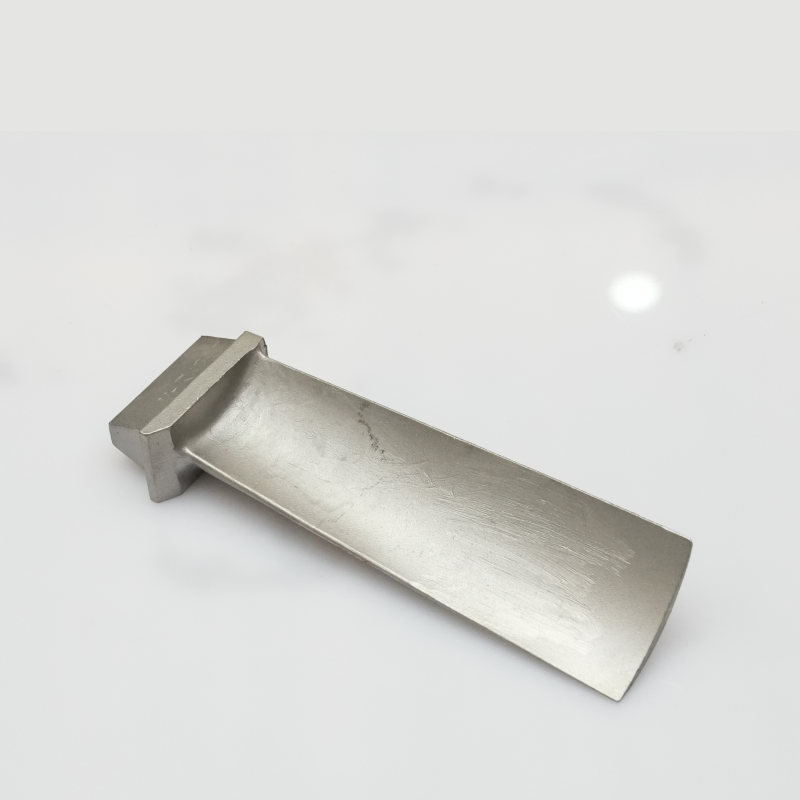
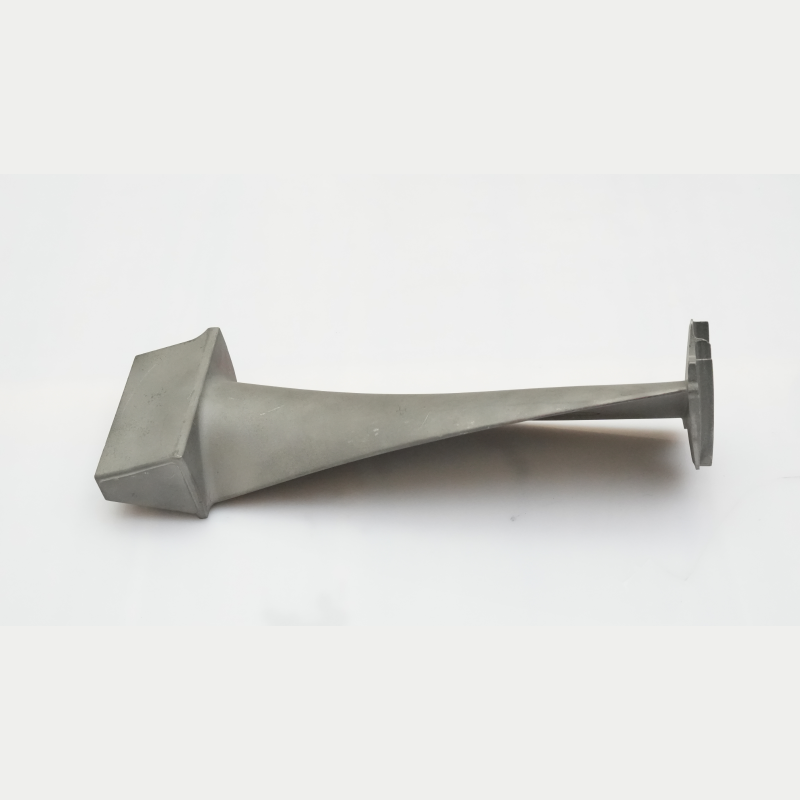
Las ventajas económicas del proceso de fundición a la cera perdida en acero inoxidable van mucho más allá del precio inicial por pieza, generando reducciones sustanciales de costos mediante la minimización de operaciones secundarias, la disminución de residuos de material y la simplificación de los procedimientos de ensamblaje, lo que mejora su eficiencia general de fabricación y su rentabilidad. Los enfoques tradicionales de mecanizado para la producción de componentes complejos de acero inoxidable suelen requerir comenzar con barras, forjados o chapas de dimensiones superiores a las necesarias, eliminando luego la mayor parte de este costoso material bruto en forma de virutas durante operaciones de fresado, torneado, taladrado y rectificado. Este enfoque de fabricación sustractiva no solo desperdicia aleaciones costosas de acero inoxidable, sino que también consume una cantidad significativa de tiempo de máquina, herramientas, refrigerante y energía, además de generar desechos que requieren su eliminación o reciclaje. El proceso de fundición a la cera perdida en acero inoxidable transforma radicalmente esta ecuación al producir componentes casi listos para su uso final (near-net-shape), donde la pieza fundida emerge del molde ya aproximándose estrechamente a sus dimensiones y geometría finales. Las tasas de aprovechamiento de material suelen superar el ochenta y cinco por ciento, teniendo en cuenta los bebederos y mazarotas que se reciclan nuevamente en fusiones posteriores, frente a tasas de aprovechamiento tan bajas como el treinta por ciento en componentes sometidos a mecanizado intensivo. Esta eficiencia resulta especialmente significativa con grados de aleación costosos, en los que el material bruto representa una proporción considerable del costo total del componente. Los requisitos de mecanizado secundario disminuyen drásticamente, limitándose frecuentemente a taladrar agujeros de fijación hasta su tamaño final, acabar superficies críticas de sellado o roscar puntos de unión: operaciones que consumen mucho menos tiempo y herramientas que la creación íntegra de la geometría del componente mediante mecanizado. Muchas piezas fundidas a la cera perdida no requieren ningún mecanizado adicional, pasando directamente de las operaciones de fundición y acabado a la inspección final y al embarque, eliminando así etapas enteras del proceso de fabricación y los costos asociados de mano de obra, equipos e infraestructura. La posibilidad de integrar múltiples piezas de un ensamblaje en una sola fundición constituye otra importante oportunidad de reducción de costos, ya que cada componente eliminado representa ahorros en la adquisición de materiales, gestión de inventarios, manipulación y mano de obra de ensamblaje. Además, la construcción integrada en una sola pieza suele mejorar la fiabilidad del producto al eliminar juntas mecánicas, uniones soldadas o interfaces atornilladas, que representan potenciales modos de fallo, reduciendo así las reclamaciones por garantía y los requerimientos de servicio en campo. Los costos de herramientas para el proceso de fundición a la cera perdida en acero inoxidable permanecen moderados en comparación con los moldes para forja o los moldes permanentes, siendo el costo típico de los moldes para inyección de cera de varios miles de dólares, en lugar de decenas de miles, lo que hace que este proceso sea económicamente viable para volúmenes de producción medios, donde la forja o la fundición a presión podrían requerir inversiones en herramientas prohibitivamente elevadas. La escalabilidad de la fundición a la cera perdida permite cubrir volúmenes de producción que van desde series prototipo de diez o veinte piezas hasta volúmenes anuales que alcanzan cientos de miles de componentes, manteniendo su rentabilidad en este amplio rango gracias a prácticas eficientes en fundiciones y parámetros de proceso optimizados.

 EN
EN